
International drinkers may connect Mơ with umeshu because both involve fruit resting in an alcoholic base. That reference can begin a useful conversation, but it should not erase difference. Mơ is defined by Vietnamese fruit, rice wine and a Vietnamese culture of sharing.
Where they meet
Both respect time. Fruit is left to macerate so aroma, sweetness and acidity gradually enter the alcoholic base. Both can be served chilled, over ice or in cocktails. That familiarity helps buyers and bartenders introduce the category to new customers.
Mơ's own identity
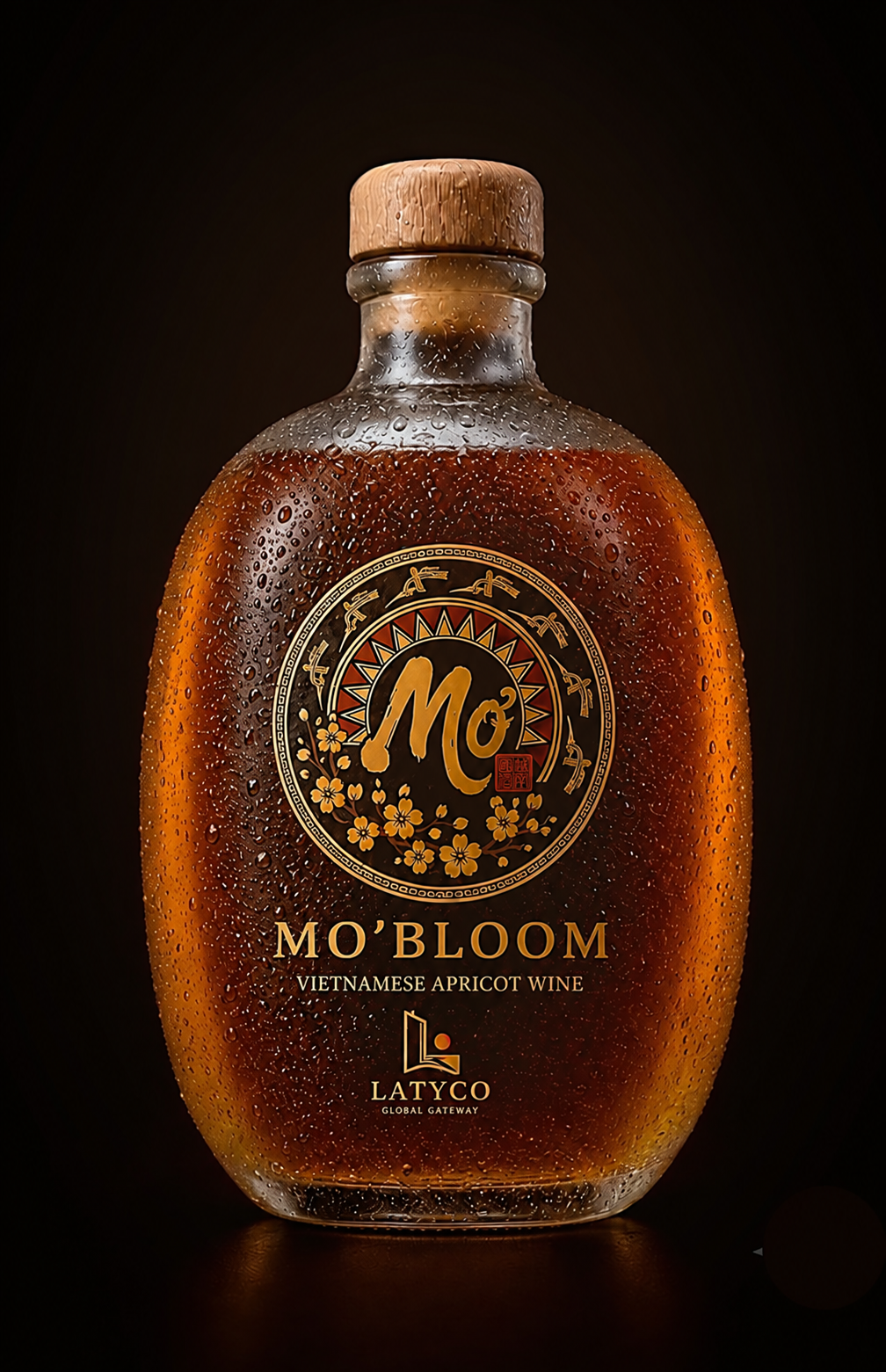
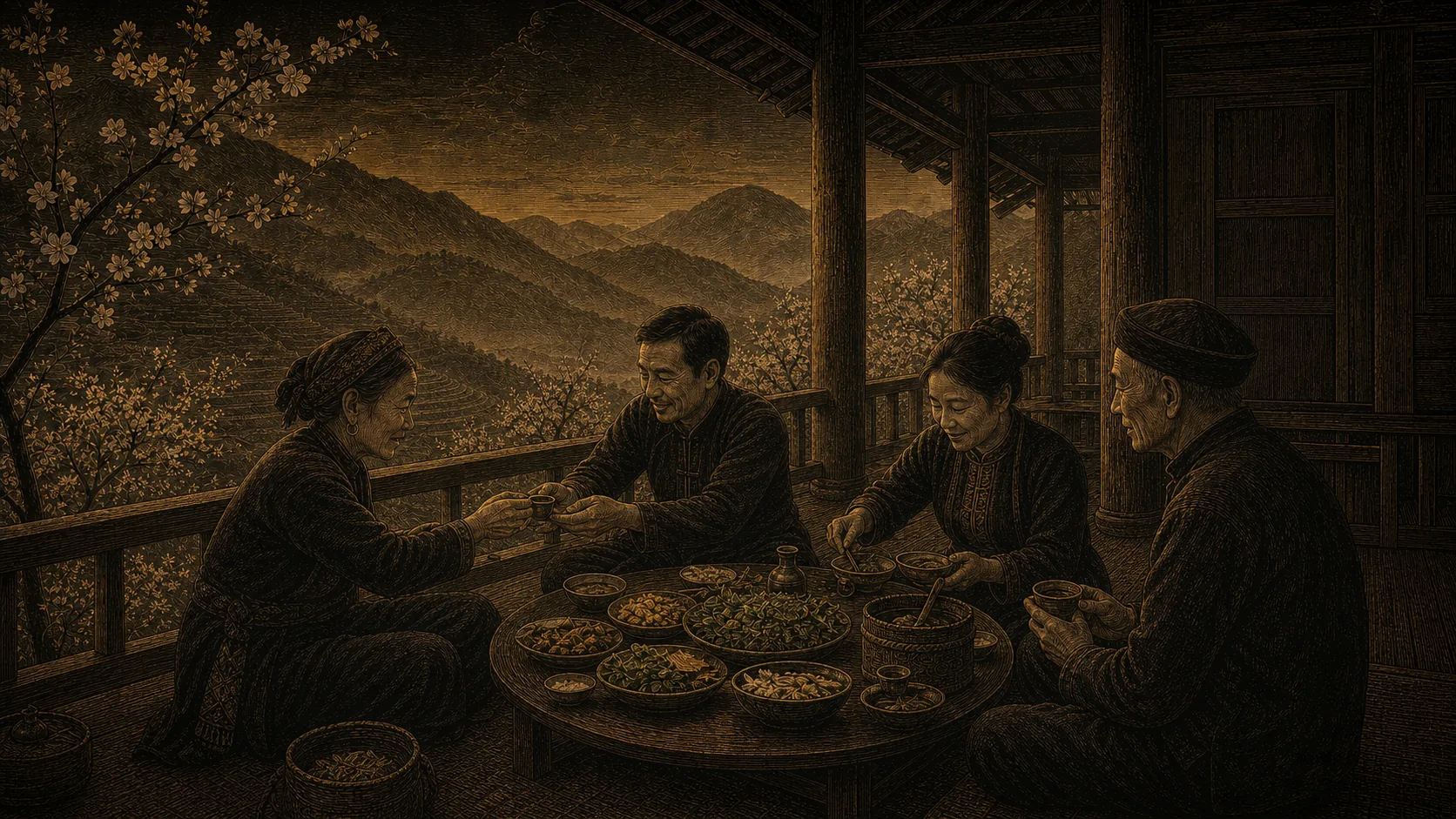
Mơ begins with Mơ Má Đào from Mộc Châu, Vietnamese rice wine and the story of a cup offered with both hands. At 14-15% ABV in a 500 mL format, it is positioned as Vietnamese Apricot Wine. Mơ does not need to imitate umeshu. Its value lies in offering another Asian expression with a clearly Vietnamese origin.
Compare to Understand, Not to Blur
Umeshu offers international buyers a familiar reference for Asian fruit-macerated beverages. Mơ should nevertheless be named and understood through its own home: Mơ Má Đào from Mộc Châu, Vietnamese rice wine and a Vietnamese cultural story. Similarity may open the conversation; origin and identity define the product.